Luang Prabang
A serene UNESCO town where the Mekong sets the pace: dawn alms, waterfalls, and sunset over the river. When to visit Luang Prabang.
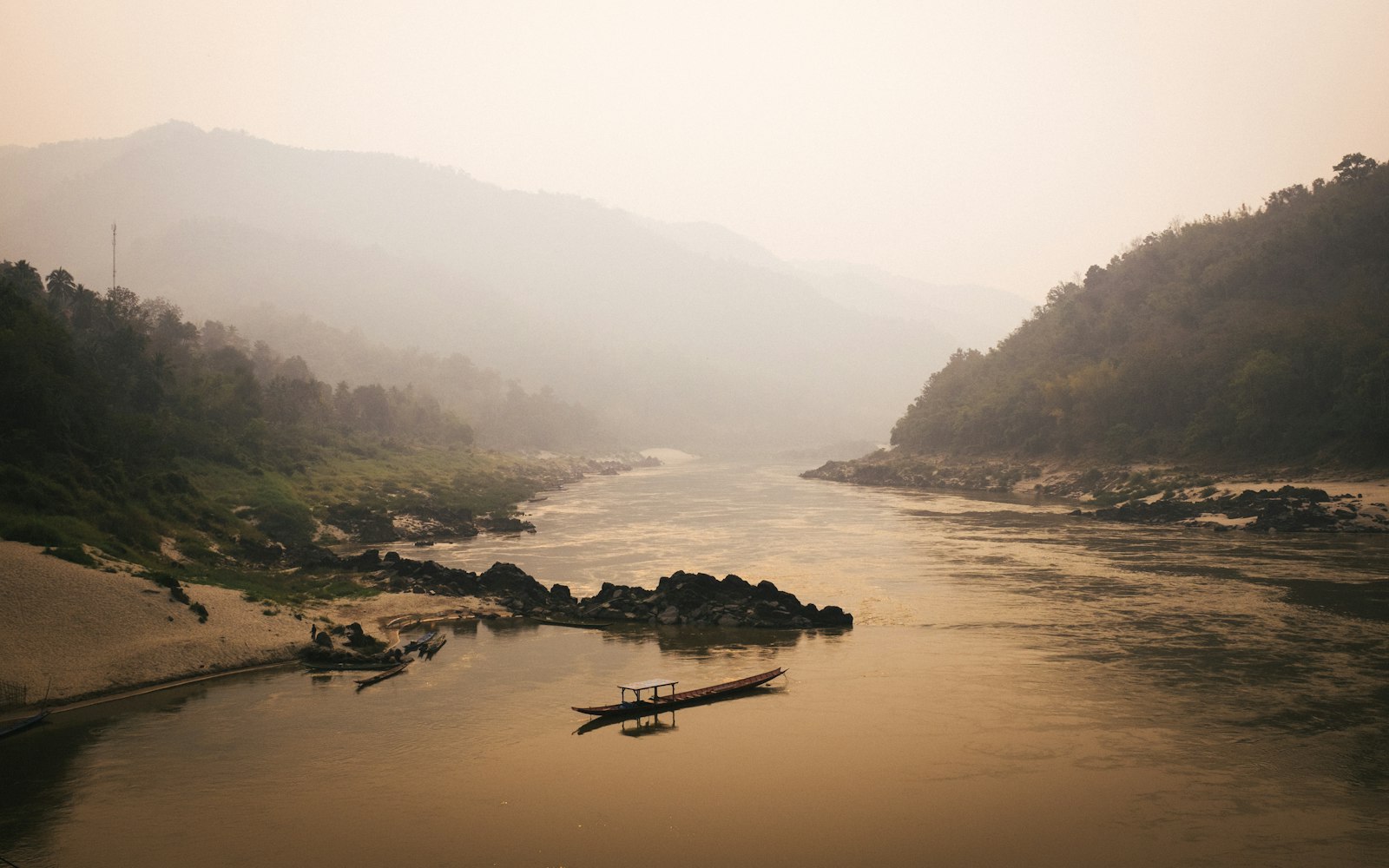
The two rivers do the talking here. The wide, silty Mekong swings past the western edge of town and the smaller Nam Khan curls in from the east, and where they meet they pinch the old quarter into a slender peninsula of gilded temple roofs, tamarind trees, and shuttered French shopfronts. Monks in saffron cross the lanes. A ferry chugs somewhere out of sight. Nothing seems to be in a hurry.
That is the whole point of Luang Prabang. This is not a town you conquer with a checklist. The former royal capital of Laos, now protected in its entirety as a UNESCO World Heritage site, rewards the traveler who lets the days go soft: a slow breakfast, an aimless walk, a long look at the river turning gold. Come ready to downshift, and the town meets you halfway.
When to go
The kind, easy stretch is the cool dry season, roughly November to February. Mornings are crisp enough for a jacket, the skies stay clear, and the rivers sit at a photogenic level. This is also the busiest window, so the best guesthouses fill early and the alms procession draws its largest crowds. Book ahead and you will be fine.
The rest of the year asks more of you. From around March into April, farmers across the region burn their fields and the valley fills with haze that can dull the views and irritate your lungs. The months that follow turn hot and heavy before the rains arrive near mid-year. The wet season greens the hills and swells the waterfalls, but downpours can scramble plans. For a first trip and the postcard version, aim for the cool months and accept the company of other travelers.
What to do
Give your first evening to Mount Phousi, the temple-topped hill at the heart of the peninsula. The climb is a few hundred steps, steep enough to leave you warm, and the reward is the sun sliding into the Mekong while the town softens below. You will have company up there at sunset, so arrive early and stake out a spot.
Save a half-day for the Kuang Si waterfalls, a short ride south of town, where the water drops through a chain of turquoise pools tinted by the minerals in it. The cooler pools are open for swimming. Go early or late to dodge the tour buses that cluster at midday.
Back in town, the temples are the real architecture lesson. Wat Xieng Thong, near the tip of the peninsula, is the one to linger over: its low roofs sweep almost to the ground, and the walls carry glass mosaics and gold stencilling. Dozens of other working monasteries dot the lanes, so wander and let one pull you in.
As the light fades, the main street closes to traffic for the handicraft night market, where Hmong and Lao sellers lay out textiles, lanterns, and silverware on the ground; prices are negotiable and the pace is gentle. Leave room for the town’s other pleasure, its French-Lao cafe culture. The colonial past left behind good coffee, crackly baguettes, and riverfront bakeries where an hour disappears easily. Cap a day with a Mekong sunset boat, a slow wooden longboat that drifts out as the sky burns.
Where to base yourself
Stay on the peninsula, the finger of land between the two rivers where most of the temples, cafes, and the night market sit. Almost everything worth seeing is a short walk away, the streets fall quiet after dark, and you are well placed for the pre-dawn start the alms-giving asks of you. Restored heritage guesthouses cluster here, many in old timber-and-stucco homes. The trade-off is that peninsula rooms cost more and book out fastest in the cool season, so reserve early.
Getting around
Luang Prabang is built for feet. The core is small and flat, and walking is the best way to see it. Many guesthouses lend or rent bicycles, which stretch your range to the outer wats and the far riverbank. For the waterfalls or the airport, a shared tuk-tuk is standard, and agreeing the fare before you climb in saves any awkwardness. To reach town in the first place, the newer high-speed railway has changed the math, linking Luang Prabang north toward the Chinese border and south toward Vientiane in far less time than the old roads, though the station sits well outside the center. Many visitors fold the stop into a wider loop that begins in northern Thailand around Chiang Mai; for how the trains, buses, and budget flights knit together, see our guide to getting around Southeast Asia.
A note on the morning alms
Before dawn, lines of monks leave the monasteries to collect their daily food from kneeling residents in a centuries-old ritual called tak bat. It is quiet, solemn, and still a living practice rather than a performance. If you want to watch, watch respectfully: stay across the street, keep your distance and your silence, use no flash, and never step into the monks’ path for a photo. Do not block the procession. If you wish to give alms yourself, buy the food from a proper source beforehand and follow a local’s lead rather than the vendors who prey on tourists at the roadside. Cover your shoulders and knees, and treat it as you would a service in any place of worship. Our Southeast Asia temple etiquette guide has the fuller picture.
Give Luang Prabang two or three unhurried days and it works a quiet change on you. You stop counting sights and start noticing light on water, the smell of coffee and incense, the particular hush of a town that decided long ago it had nowhere to be. Slow down to the river’s pace, and you will leave rested in a way most trips never manage. South down the Mekong, Siem Reap and the temples of Angkor make a natural, slower counterweight to the river towns, and north the same Mekong threads up to the Thai border and on to Chiang Mai.
Line up the season with our guide to the best months to visit Southeast Asia, then sort transport withgetting around the region.